Load capacity vs. actual output: what matters most
Load capacity is only part of the story. Discover how real-world conditions, continuous operation, and engineering quality determine true industrial equipment performance.
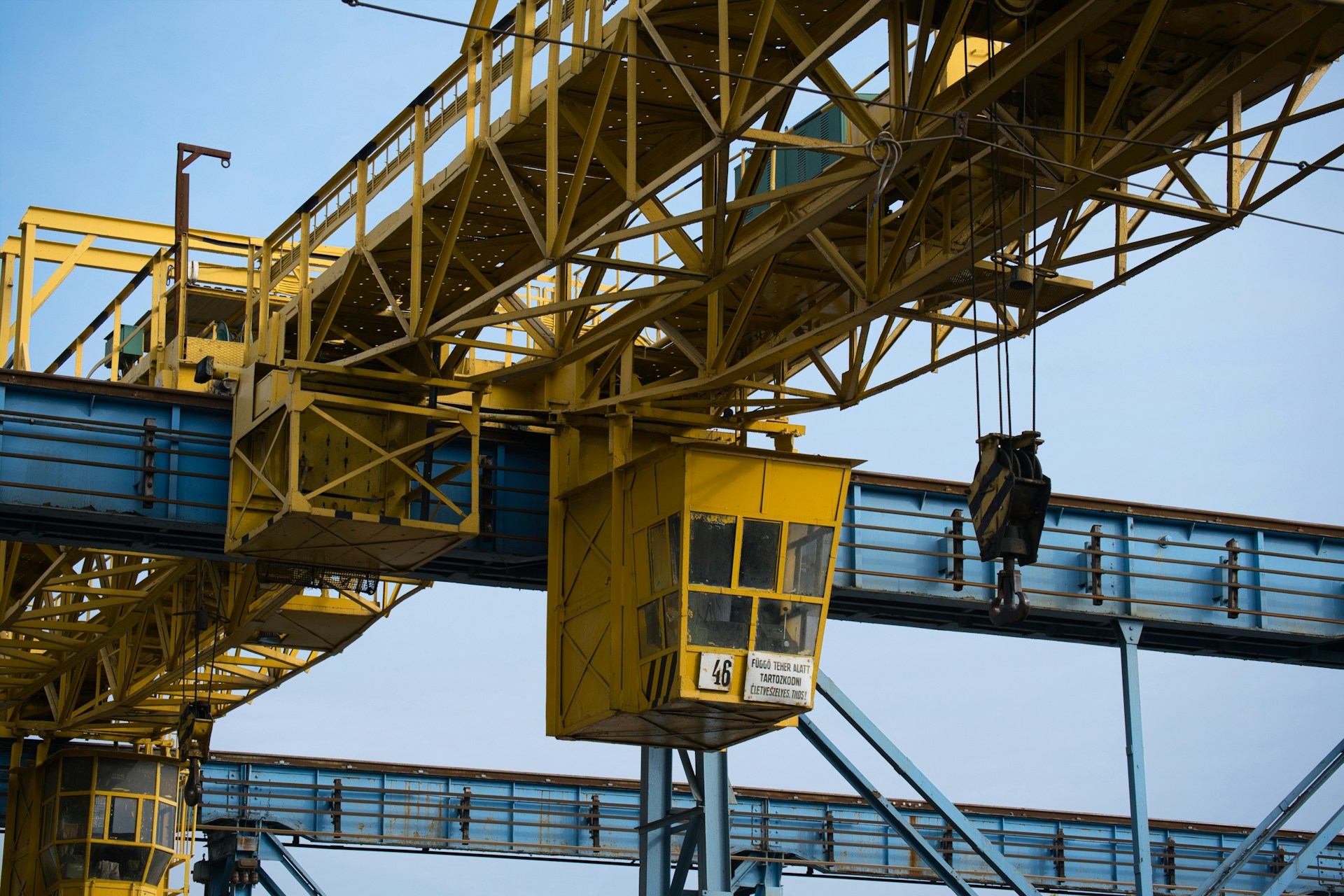
Understanding load capacity
Load capacity typically refers to the maximum weight a piece of equipment can safely handle under ideal conditions. It is determined through engineering calculations, material strength analysis, and controlled testing.
For example, a conveyor system may be rated to carry 5,000 kg per pallet. A crane might be certified for lifting 80 tons. These figures are essential — but they represent peak capability, not daily operational reality.
Rated load capacity assumes:
Even weight distribution
Proper alignment
Controlled environmental conditions
Correct installation
Ideal maintenance state
Industrial facilities rarely operate under perfectly controlled conditions.
The gap between theory and operation
In heavy industrial and logistics environments, systems experience dynamic stress rather than static loads. Materials shift, loads may not be evenly distributed, and usage cycles can exceed standard assumptions.
Real-world performance is influenced by factors such as:
Frequency of load cycles
Start-stop motion stress
Vibration and impact forces
Environmental exposure (dust, heat, moisture)
Operator handling practices
System integration and flow balance
A system operating near its maximum rated capacity continuously may experience accelerated wear, reduced lifespan, and higher downtime risk.
The highest number on a specification sheet does not guarantee the highest reliability in practice.
Continuous load vs. peak load
One of the most important distinctions is between peak load capacity and continuous operational capacity.
Peak load refers to the maximum weight a system can handle occasionally. Continuous load capacity reflects what it can manage consistently over long operational cycles without performance degradation.
In high-throughput environments, continuous performance matters more than maximum limits.
For example:
A conveyor rated for 5,000 kg may operate more reliably at 70–80% of that load.
A crane lifting at full capacity repeatedly may experience more rapid mechanical fatigue.
Designing systems with operational margin improves long-term durability and stability.
Structural integrity and system design
Real-world performance depends heavily on engineering quality beyond load rating. Structural reinforcement, material selection, drive system durability, and alignment precision all influence how equipment performs over time.
Balanced load distribution prevents concentrated stress on specific modules. Reinforced frames reduce vibration impact. High-quality bearings and motors extend operational lifespan.
Equipment designed for sustained heavy-duty use will often outperform higher-rated but less robust alternatives.
In demanding environments, durability matters as much as capacity.
The role of maintenance and monitoring
Maintenance practices significantly affect how close equipment can safely operate to its rated limits.
Well-maintained systems with proper lubrication, alignment checks, and component inspections can perform closer to their maximum capacity without risk. Poorly maintained systems operating below rated capacity may still fail prematurely. Predictive monitoring technologies further narrow the gap between rated and real performance. Sensors that track vibration, temperature, and load stress provide insight into system health, allowing adjustments before issues escalate. Performance is dynamic — not static.
Efficiency over extremes
In many cases, selecting equipment with a slightly higher rated capacity than required — and operating it within optimal load ranges — delivers better long-term results than pushing systems to their limits.
Efficiency, reliability, and lifecycle cost often outweigh maximum theoretical strength.
When evaluating equipment, decision-makers should consider:
Average operational load
Frequency of heavy-load cycles
Environmental conditions
Required throughput
Integration with other systems
Maintenance capabilities
These variables determine real-world performance far more than a single specification number.
Making smarter investment decisions
Choosing industrial equipment requires balancing load capacity with long-term operational strategy.
Questions to consider include:
Is the equipment rated for peak or continuous performance?
Does the design include structural reinforcements for sustained heavy use?
How will environmental conditions affect durability?
Is there sufficient performance margin?
What monitoring systems are included?
Load capacity is essential — but it should be viewed as one component within a broader performance evaluation framework. Other operational factors must also be considered.
Conclusion
Load capacity is a critical starting point when selecting industrial equipment. However, real-world performance depends on engineering quality, operational margin, maintenance strategy, and system integration.
In demanding industrial environments, what matters most is not the maximum number printed on a specification sheet — but the system’s ability to perform consistently, safely, and reliably under everyday conditions. True strength is measured not by peak potential, but by sustained performance.
Understanding load capacity
Load capacity typically refers to the maximum weight a piece of equipment can safely handle under ideal conditions. It is determined through engineering calculations, material strength analysis, and controlled testing.
For example, a conveyor system may be rated to carry 5,000 kg per pallet. A crane might be certified for lifting 80 tons. These figures are essential — but they represent peak capability, not daily operational reality.
Rated load capacity assumes:
Even weight distribution
Proper alignment
Controlled environmental conditions
Correct installation
Ideal maintenance state
Industrial facilities rarely operate under perfectly controlled conditions.
The gap between theory and operation
In heavy industrial and logistics environments, systems experience dynamic stress rather than static loads. Materials shift, loads may not be evenly distributed, and usage cycles can exceed standard assumptions.
Real-world performance is influenced by factors such as:
Frequency of load cycles
Start-stop motion stress
Vibration and impact forces
Environmental exposure (dust, heat, moisture)
Operator handling practices
System integration and flow balance
A system operating near its maximum rated capacity continuously may experience accelerated wear, reduced lifespan, and higher downtime risk.
The highest number on a specification sheet does not guarantee the highest reliability in practice.
Continuous load vs. peak load
One of the most important distinctions is between peak load capacity and continuous operational capacity.
Peak load refers to the maximum weight a system can handle occasionally. Continuous load capacity reflects what it can manage consistently over long operational cycles without performance degradation.
In high-throughput environments, continuous performance matters more than maximum limits.
For example:
A conveyor rated for 5,000 kg may operate more reliably at 70–80% of that load.
A crane lifting at full capacity repeatedly may experience more rapid mechanical fatigue.
Designing systems with operational margin improves long-term durability and stability.
Structural integrity and system design
Real-world performance depends heavily on engineering quality beyond load rating. Structural reinforcement, material selection, drive system durability, and alignment precision all influence how equipment performs over time.
Balanced load distribution prevents concentrated stress on specific modules. Reinforced frames reduce vibration impact. High-quality bearings and motors extend operational lifespan.
Equipment designed for sustained heavy-duty use will often outperform higher-rated but less robust alternatives.
In demanding environments, durability matters as much as capacity.
The role of maintenance and monitoring
Maintenance practices significantly affect how close equipment can safely operate to its rated limits.
Well-maintained systems with proper lubrication, alignment checks, and component inspections can perform closer to their maximum capacity without risk. Poorly maintained systems operating below rated capacity may still fail prematurely. Predictive monitoring technologies further narrow the gap between rated and real performance. Sensors that track vibration, temperature, and load stress provide insight into system health, allowing adjustments before issues escalate. Performance is dynamic — not static.
Efficiency over extremes
In many cases, selecting equipment with a slightly higher rated capacity than required — and operating it within optimal load ranges — delivers better long-term results than pushing systems to their limits.
Efficiency, reliability, and lifecycle cost often outweigh maximum theoretical strength.
When evaluating equipment, decision-makers should consider:
Average operational load
Frequency of heavy-load cycles
Environmental conditions
Required throughput
Integration with other systems
Maintenance capabilities
These variables determine real-world performance far more than a single specification number.
Making smarter investment decisions
Choosing industrial equipment requires balancing load capacity with long-term operational strategy.
Questions to consider include:
Is the equipment rated for peak or continuous performance?
Does the design include structural reinforcements for sustained heavy use?
How will environmental conditions affect durability?
Is there sufficient performance margin?
What monitoring systems are included?
Load capacity is essential — but it should be viewed as one component within a broader performance evaluation framework. Other operational factors must also be considered.
Conclusion
Load capacity is a critical starting point when selecting industrial equipment. However, real-world performance depends on engineering quality, operational margin, maintenance strategy, and system integration.
In demanding industrial environments, what matters most is not the maximum number printed on a specification sheet — but the system’s ability to perform consistently, safely, and reliably under everyday conditions. True strength is measured not by peak potential, but by sustained performance.